
Simple Ways to Manage Building Waste During a Property Renovation
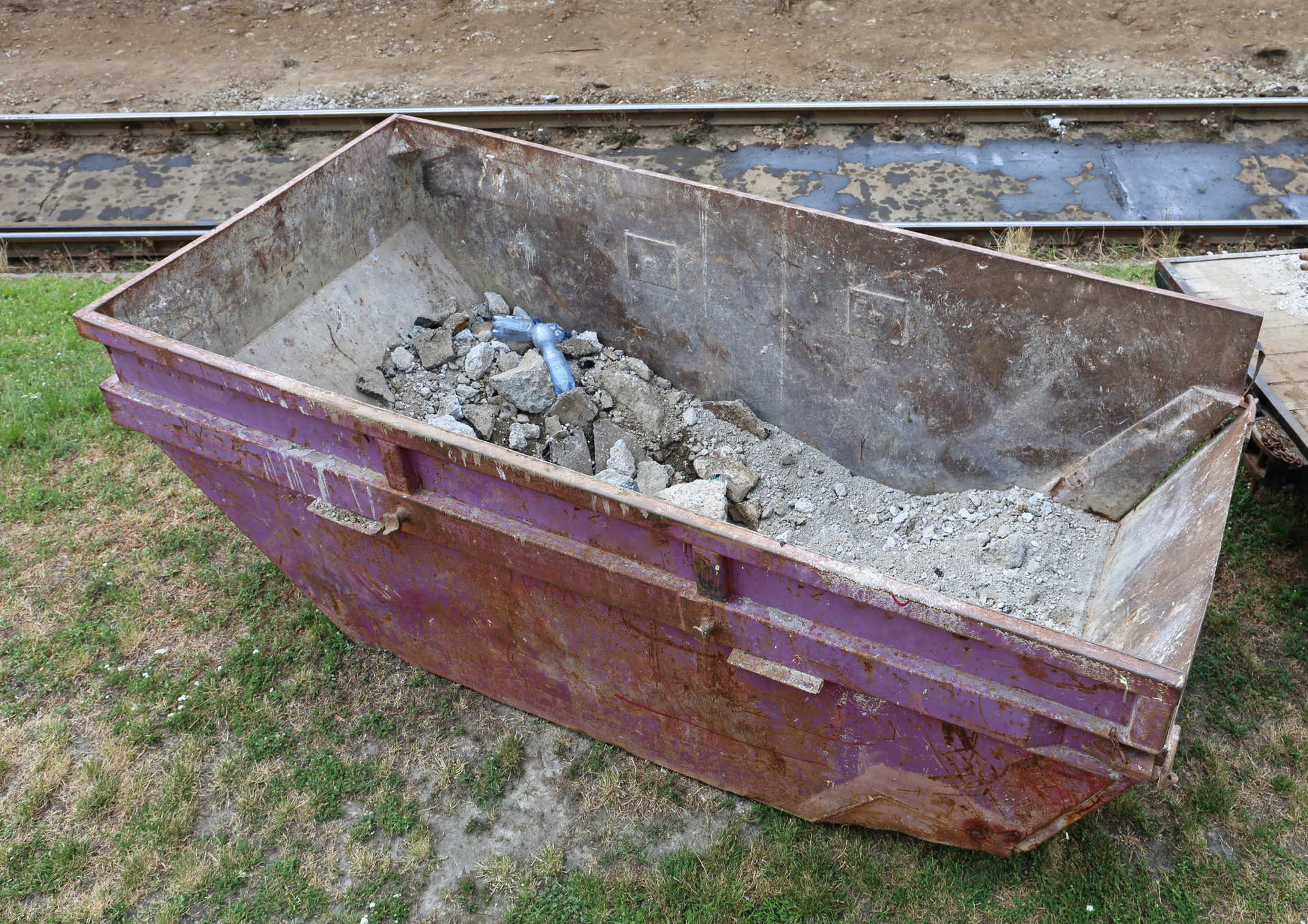
Renovating a property can transform how a building looks, functions and meets the needs of its occupants, but it can also produce a considerable amount of waste. Old fittings, timber, packaging, broken tiles, plasterboard and general renovation debris can quickly occupy valuable working space if there is no clear plan for managing them. Arranging skips shrewsbury as part of the project planning process can provide a practical way to keep unwanted materials contained while work progresses.
For homeowners, a renovation may involve anything from replacing a bathroom to updating an entire property. Landlords may need to clear and improve accommodation between tenancies, while surveyors and local authorities can be involved in projects where organised waste handling is an important part of site management. Arranging skips Shrewsbury can provide a practical way to contain and remove renovation waste as work progresses. Commercial properties present similar considerations, particularly when offices, retail units or other premises are being refurbished while surrounding areas remain operational.
Planning Waste Management Before Renovation Work Begins
Good waste management starts before the first fixture is removed or wall is altered. Considering what the project is likely to produce, where waste will be stored and how it will leave the property can prevent avoidable problems later.
Identify Likely Waste Materials
- Review each stage of the renovation and consider which materials are likely to be removed.
- Kitchens can produce cabinets, worktops, tiles, packaging and old fittings, while bathroom projects may create sanitary ware, tiles and other renovation debris.
- Structural work can generate larger quantities of timber, masonry and associated building materials.
- Knowing what is likely to be removed makes it easier to plan appropriate disposal arrangements.
Estimate the Amount of Waste
- Consider the scale of the project rather than simply the number of rooms being renovated.
- A small room involving extensive stripping out can sometimes produce more material than a larger room receiving relatively minor improvements.
- Allowing reasonable capacity for unexpected waste can prevent the available space from becoming overwhelmed.
- Contractors or experienced waste providers may be able to offer useful guidance where volumes are difficult to estimate.
Decide Where Waste Will Be Stored
- Identify a practical location that is convenient for loading but does not obstruct essential access.
- Keep entrances, pedestrian routes and working areas as clear as possible.
- Consider how tradespeople will move materials from the property to the waste area.
- Planning shorter, straightforward carrying routes can make clearing debris considerably easier.
Coordinate with the Renovation Schedule
- Arrange waste removal around the stages that are expected to produce the greatest quantities of material.
- Initial strip-out work may generate a large amount of waste within a short period.
- Later stages can create packaging, offcuts and smaller quantities of remaining materials.
- Coordinating disposal with the work programme helps prevent waste from becoming an obstacle to subsequent trades.
Consider Access Before Delivery
- Check whether the proposed location can be reached conveniently by the delivery vehicle.
- Narrow roads, parked vehicles, restricted entrances and other obstacles should be considered beforehand.
- If equipment needs to be placed on a public road, customers should establish whether additional arrangements or permissions are required.
- Discussing access early reduces the possibility of problems on the planned delivery day.
Taking time to consider these points before renovation begins creates a useful foundation for the entire project. Waste then has a designated route from the working area to eventual removal rather than being moved repeatedly from one temporary location to another.
Keeping Renovation Waste Organised Throughout the Project
Once work begins, maintaining organisation becomes just as important as the initial plan. Renovations frequently involve several trades working at different stages, and each can produce different types and quantities of waste. Without a simple system, materials can become mixed, access routes can narrow and useful working space can disappear surprisingly quickly.
One practical approach is to establish a designated waste area from the first day. Everyone working on the project should understand where unwanted materials need to go rather than leaving them in whichever room happens to be convenient. This is particularly useful during larger refurbishments where builders, electricians, plumbers, decorators and other trades may be working in different areas.
Regular clearing is generally more manageable than allowing waste to accumulate until the end of the week. Removing debris from rooms as each stage is completed creates space for the next task and makes it easier to see what work remains. A cleared room also allows tradespeople to bring in tools and new materials without having to work around piles of discarded items.
Care should also be taken when loading. Larger flat items can often be positioned carefully to make sensible use of the available space, while smaller materials can fill appropriate gaps. Simply throwing everything in without considering how the space is being used can result in capacity being exhausted earlier than necessary.
For customers researching budget skips shrewsbury, affordability should be considered alongside capacity and service. A lower initial quotation offers limited benefit if the chosen container cannot accommodate the expected waste or if additional arrangements become necessary halfway through the project. Matching the solution to the actual renovation requirements is generally a more practical way to control expenditure.
Waste segregation can improve organisation further. Materials that require different handling should be identified rather than automatically combining everything together. Customers should check what can and cannot be placed in their chosen container before loading begins, particularly if the project involves less common materials.
Renovations can also change as work progresses. Removing old units or opening walls may reveal additional work that was not visible during the initial assessment. This can increase waste volumes unexpectedly. Monitoring remaining capacity throughout the project gives customers time to adjust their plans rather than discovering at the final stage that there is insufficient room.
For landlords and property managers overseeing several trades, assigning responsibility for keeping working areas clear can be particularly useful. On commercial projects, communicating waste arrangements during site preparation helps ensure everyone follows the same process. The principle is simple: when waste has a defined place and is dealt with regularly, the rest of the renovation becomes easier to organise.
Choosing Suitable Capacity Without Creating Unnecessary Expense
Choosing an appropriate size is an important part of renovation planning. Too little capacity can result in additional collections, while considerably more capacity than necessary may not represent efficient use of the project budget. Comparing skip hire prices shrewsbury is therefore most useful when quotations are considered alongside the amount of waste each option can reasonably accommodate.
Small Property Improvements
- Decorating projects, minor bathroom updates and small garden works may produce relatively limited quantities of waste.
- Compact options can be easier to position where driveway or site space is restricted.
- Customers should still consider bulky items because physical dimensions can use capacity quickly even when the total number of items appears small.
- Allow some flexibility where hidden materials may be uncovered during the work.
Kitchen and Bathroom Renovations
- Removing cabinets, worktops, sanitary fittings and tiles can create a surprisingly large volume of material.
- Packaging from replacement products should also be included when estimating overall requirements.
- Consider whether old fixtures will be removed at once or gradually throughout the project.
- Coordinating removal with installation can help keep rooms accessible.
Whole-Property Refurbishments
- Larger residential renovations can produce waste continuously across several stages.
- Planning may need to account for initial strip-out, structural alterations, new installations and finishing work.
- A larger capacity can reduce interruptions where sufficient space is available.
- For lengthy projects, customers may also need to consider whether staged collections would better match the work programme.
Commercial Refurbishments
- Office, retail and other commercial projects can involve furniture, partitions, fittings, flooring and general construction debris.
- Waste arrangements should reflect both the amount being removed and the operational requirements of the property.
- Where surrounding areas remain open, placement and collection should be planned to minimise disruption.
- Larger sites may benefit from coordinating waste removal with individual phases of refurbishment.
Restricted Sites
- Not every property has a large driveway or open loading area.
- Terraced streets, compact commercial premises and properties with narrow access may require additional planning.
- The largest available option is not automatically the most practical if it cannot be positioned conveniently.
- Discussing access and expected volumes together helps identify a workable balance between capacity and placement.
Getting Professional Guidance
- Explain the scale and nature of the renovation when requesting advice.
- Providing details about rooms being stripped out and major materials being removed can help the provider understand likely requirements.
- Ask about permitted materials and loading restrictions before work starts.
- Good advice can help reduce the likelihood of choosing unsuitable capacity.
Accurate estimation does not mean predicting every individual piece of debris. Instead, it involves developing a realistic understanding of the project and allowing enough flexibility for the unexpected materials that renovations commonly reveal.
Balancing Price, Reliability and Responsible Waste Removal
Cost naturally matters when budgeting for a renovation, but waste management should be considered in the context of the entire project. A service that initially appears inexpensive may not provide good overall value if delivery arrangements are unclear, capacity is unsuitable or collection causes delays.
Reliability becomes particularly important when several trades depend on the same working space. If accumulated debris cannot be removed when expected, the next phase of a renovation may become more difficult. For example, flooring installers need reasonably clear rooms, decorators require accessible surfaces and new fittings need somewhere suitable to be stored before installation. Efficient waste removal supports all of these activities indirectly.
Clear communication is therefore worth considering when comparing providers. Customers should understand what they are booking, expected delivery arrangements, how collection is requested and whether there are restrictions on particular materials. Knowing these details before committing makes it easier to compare services on a like-for-like basis.
People searching for the cheapest skip hire shrewsbury should also consider what is included within the quoted service. The lowest figure is not necessarily the most economical outcome if unsuitable capacity or additional arrangements increase the final expenditure. Looking at the complete service provides a more meaningful basis for making a decision.
Responsible handling is another important consideration. Renovation waste can contain a wide range of materials, some of which may be suitable for recovery or recycling. Using an established waste service helps ensure materials are handled through appropriate processes rather than simply treating everything as general rubbish.
Location can influence practical arrangements as well. A provider familiar with Shrewsbury and surrounding communities is better positioned to understand common access considerations and local delivery requirements. However, the same principle applies in any location: local knowledge can help make deliveries and collections easier to coordinate.
Homeowners may primarily value simplicity and clear guidance, while landlords often need predictable arrangements that fit between different stages of property work. Surveyors and local authorities may be considering broader site requirements, and commercial customers may need to minimise disruption to staff, visitors or neighbouring businesses. A suitable provider should be able to understand these different priorities rather than applying exactly the same approach to every booking.
Price remains important, but value comes from the combination of suitable capacity, dependable scheduling, clear communication and appropriate waste handling. Looking at these factors together helps customers make choices that support the renovation rather than complicate it.
Skip Hire Shrewsbury provides practical waste removal solutions for residential and commercial projects throughout Shrewsbury and the surrounding area. We understand that renovations vary considerably, from individual room improvements and property clearances to larger refurbishments involving multiple trades and substantial quantities of building waste.
Our approach focuses on helping customers select an appropriate solution for their particular project. We provide straightforward guidance on available sizes, delivery considerations and collection arrangements so homeowners, landlords, surveyors, local authorities and commercial customers can plan their waste removal with greater confidence.
Whether you are undertaking a small home improvement or coordinating a more extensive refurbishment, we aim to make arranging skips Shrewsbury simple and dependable. Our local knowledge also helps us consider practical factors such as access, placement and project requirements when discussing your booking.
Check out our latest X update on simple ways
Skips Shrewsbury can help manage building waste during a property renovation!
You might also like