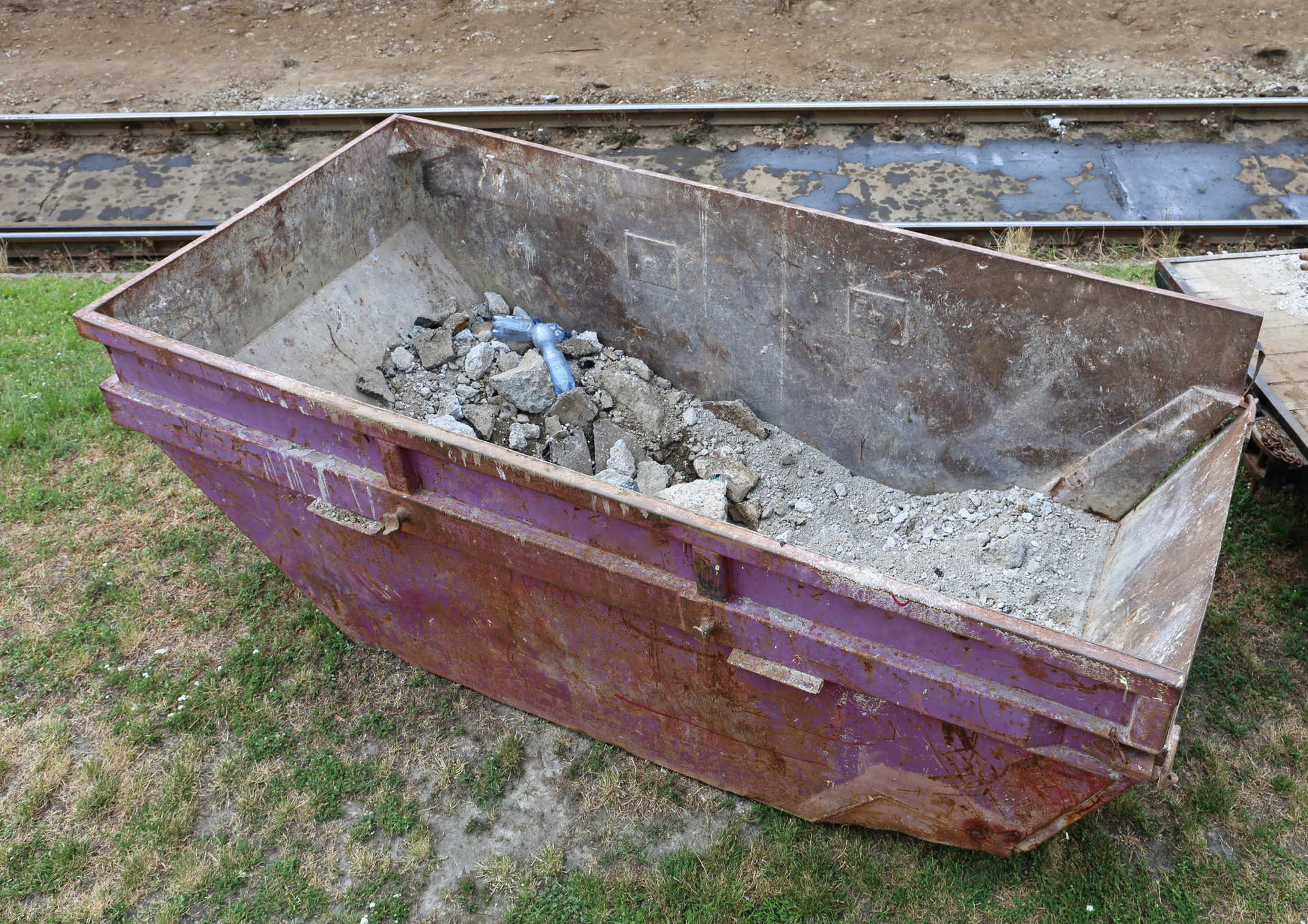

Skip Hire Size Comparison: What’s Best for Your Waste Needs?
Choosing the right skip hire size is essential when managing waste from renovations, landscaping, or construction work. Whether you’re a homeowner clearing out your loft, a business relocating offices, or a contractor working on-site, understanding sizes ensures you don’t pay for more than you need — or find yourself with a skip that’s too small.
This guide breaks down the differences between small, medium, and large skips to help you choose the most suitable option.
Small Skips: Ideal for Minor Projects
Small skips are typically between 2 and 4 yards in size. They’re the best choice for those dealing with compact amounts of waste — ideal for tight spaces and minor home or garden projects. These skips easily fit on driveways and can handle tasks like seasonal garden clear-ups, small bathroom refits, or decluttering a single room.
For example, a 4 yard skip holds approximately 30–40 bin bags of waste. It’s compact but surprisingly roomy for light waste like cardboard, soil, garden trimmings, or small quantities of wood and metal. Landscapers and homeowners often choose this size for its convenience and affordability.
However, for anything more extensive — such as a full kitchen renovation — you may find yourself needing to book multiple small skips or simply size up from the start. Choosing correctly saves time, hassle, and additional fees from overfilling.
Medium Skips: Versatile and Popular Choice
Medium skips are the most popular option for both households and smaller construction sites. Ranging from 6 to 8 yards, they’re ideal for handling moderate volumes of waste without taking up too much space. They suit bathroom or kitchen refurbishments, furniture disposal, and moderate-scale DIY projects.
The 6 yard skip is a great go-to for general renovation waste. It holds around 50–60 bin bags and comfortably handles heavier materials such as bricks, plasterboard, and broken tiles — commonly found in home improvement work. Many builders favour this size for its balance of capacity and cost-efficiency.
On the other hand, the 8 yard skip is often referred to as a "builder’s skip" and holds roughly 60–80 bin bags. It’s perfect for handling dense materials from construction or landscaping projects, and widely used on trade sites and by homeowners doing major clearouts. While it offers more capacity, it’s still compact enough for most residential driveways. Medium ones are a smart middle ground — they provide the flexibility to manage larger loads while avoiding the logistical challenges of bigger units.
Large Skips: Designed for Bulk Waste
If you’re managing high volumes of waste — especially lighter, bulky materials — a large one is likely your best choice. These skips are often between 10 and 12 yards, and they’re ideal for business relocations, shop refurbishments, and major domestic renovations.
A 12 yard skip holds an impressive 100–120 bin bags of waste. It’s great for non-heavy items like furniture, packaging, plastics, and general household junk. Event organisers also rely on these skips for post-event cleanups where high volumes of waste need to be removed efficiently.
That said, large skips aren’t suitable for heavy inert waste like soil, rubble, or concrete, as this can exceed legal weight limits. If your project includes a mix of heavy and light waste, it might be more effective to hire separate skips for different waste streams or consult a waste management professional for guidance.
Be aware of access constraints too — large ones require sufficient space for placement and loading. If you’re based in a more residential area of Shrewsbury with limited space, always check if a permit is needed for roadside placement.
How to Choose the Right Skip for Your Needs
Choosing the correct size the first time saves money, avoids project delays, and keeps waste management stress-free. Here are a few things to consider when making your decision:
Type and Volume of Waste
Think about what you’re disposing of. Are you removing heavy construction materials, or is it mostly light household junk? Estimating the number of bin bags or builder’s rubble helps you gauge what size to select.
Available Space
Ensure there’s enough room on your property or street for the skip you choose. For areas like central Shrewsbury, parking and access might be tight, especially for skips over 8 yards. Always measure available space before booking.
Budget
While it’s tempting to go for the smallest skip to save money, underestimating your needs often leads to extra costs. Overfilling a skip can result in fines or the need to hire a second one. Booking the correct size initially is more cost-effective.
Local Permits and Regulations
If your skip will be placed on a public road, you’ll need a permit from your local council. By understanding your project's needs and balancing them against skip capacity, you can make a confident, practical decision that keeps your site clean and compliant.
Choosing the right
skip hire size is about more than just volume — it's about practicality, location, and cost-effectiveness. Small skips offer compact solutions for minor waste, medium skips are great all-rounders for most home and light construction work, and large skips are best for high-volume but lightweight waste.
Whether you're refurbishing a flat in Shrewsbury, managing office waste, or overseeing a landscaping job, selecting the right skip ensures your waste is handled efficiently, legally, and without unnecessary hassle.
Skip Hire Shrewsbury is your reliable partner for all waste management needs. When it comes to reliable, friendly, and professional skip hire services, we’re trusted by homeowners, contractors, and businesses across Shrewsbury and beyond. We take the stress out of waste disposal. Our commitment to customer care, reliability, and compliance means you can focus on the job — while we take care of the mess.
Just out on X:
Skip hire sizes compared – which option suits your waste needs best?
You might also like