
Skips for Home Extensions and Renovation Waste Disposal Guide
Home extensions and renovation projects offer an excellent opportunity to improve residential and commercial properties, increase usable space, and enhance property value. Whether updating a kitchen, constructing an additional room, converting a loft, or carrying out a full refurbishment, having suitable skips available can help support efficient waste management throughout the project.
Building work often generates a considerable volume of waste materials. Bricks, plasterboard, timber, concrete, tiles, metals, packaging, and general construction debris can quickly accumulate if disposal arrangements are not carefully planned. Without a structured approach, waste can affect productivity, create safety concerns, and make it more difficult for contractors and property owners to maintain an organised working environment.
Planning Waste Management Before Renovation Work Begins
One of the most effective ways to manage construction waste is to incorporate disposal planning into the earliest stages of a project. Many homeowners focus heavily on design, materials, budgets, and contractor selection while giving less consideration to how waste will be handled throughout the build.
Every extension or renovation project generates different types and volumes of waste depending on the scale of the work involved. A bathroom refurbishment may produce tiles, sanitary ware, and plasterboard, while a larger extension could generate significant quantities of brickwork, timber, insulation materials, and excavation spoil.
Estimating waste volumes before work starts allows property owners and contractors to make informed decisions regarding removal requirements. Proper planning reduces the risk of waste accumulating on-site and minimises disruptions caused by arranging disposal solutions at short notice.
For projects involving substantial demolition or structural alterations, waste management should be viewed as an essential component of the overall project schedule. Allocating sufficient space for waste storage and collection can help maintain efficiency throughout each phase of construction.
Many property owners choose skips because they provide a convenient and central location for collecting waste materials as work progresses. This helps maintain cleaner working areas and reduces the need for multiple trips to disposal facilities.
Managing Different Types of Construction and Renovation Waste
Construction and renovation projects generate a wide variety of waste materials, each requiring appropriate handling and disposal. Understanding the different categories of waste can help property owners, contractors, and project managers maintain organisation, improve site efficiency, and support responsible waste management practices throughout the build.
Brick, Concrete, and Excavation Waste
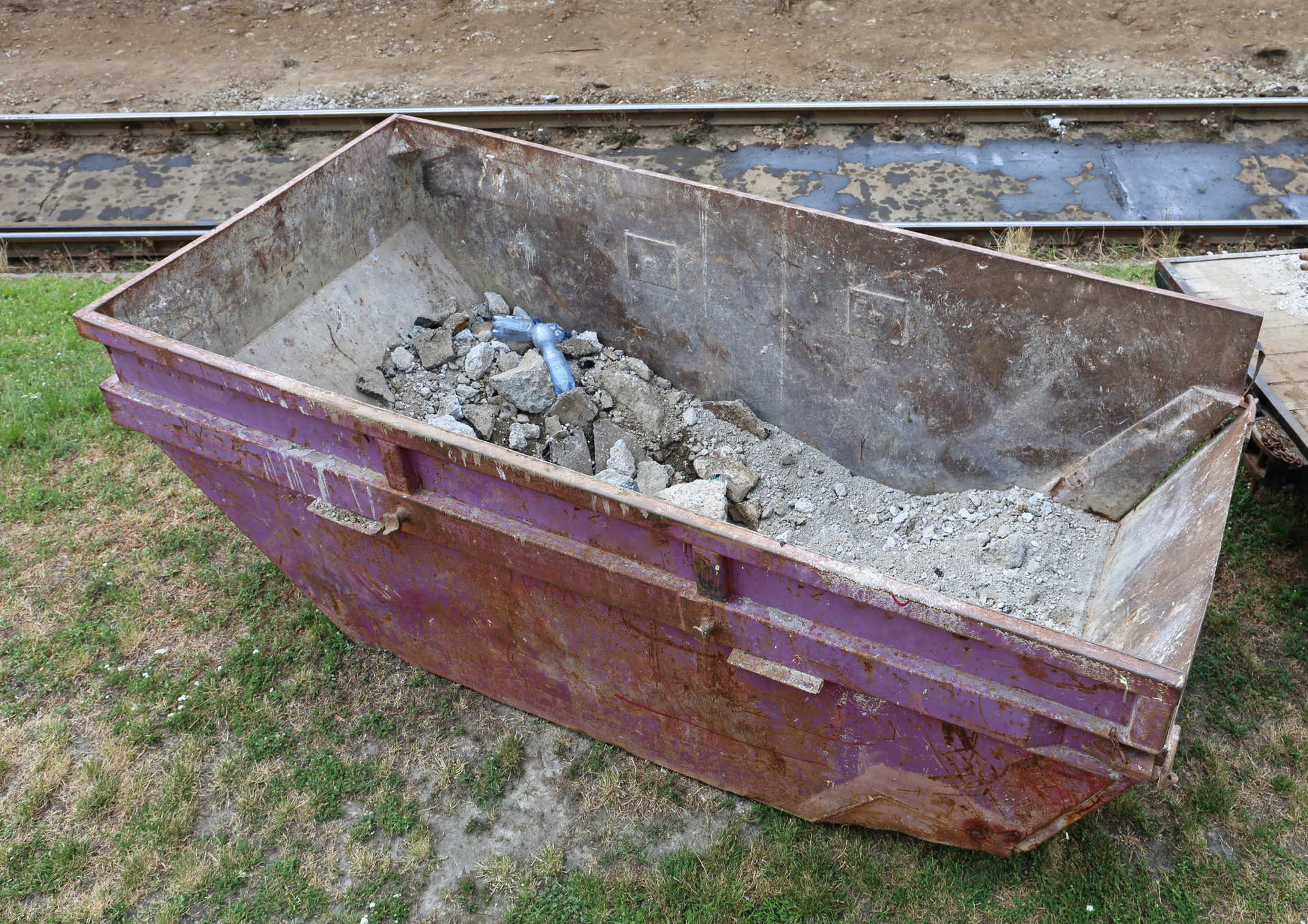
- Bricks, concrete, rubble, and soil are commonly produced during extensions and structural alterations.
- Foundation work, excavation projects, wall removals, and landscaping activities often generate significant volumes of these materials.
- Proper management helps keep working areas clear and accessible.
Timber and Wood-Based Materials
- Old flooring, timber framing, fencing, roof structures, and joinery products frequently require removal during refurbishment work.
- Separating timber from other waste streams can support recycling and material recovery initiatives.
- Regular collection helps prevent unnecessary site congestion.
Building and Finishing Materials
- Plasterboard, insulation products, roofing materials, tiles, and ceramics often form a substantial proportion of renovation waste.
- These materials should be handled carefully to maintain safe and organised working conditions.
- Effective disposal planning can reduce disruption as projects progress.
Packaging and Delivery Waste
- Construction material deliveries often include cardboard, plastic wrapping, pallets, and protective coverings.
- Packaging waste can accumulate quickly throughout a project if not managed effectively.
- Regular removal helps maintain tidy and efficient working environments.
Sustainability and Waste Segregation
- Modern construction projects increasingly focus on reducing environmental impact.
- Separating materials where practical can increase recycling opportunities and reduce landfill disposal.
- Responsible waste management supports sustainable building practices and project objectives.
Benefits for Property Stakeholders
- Effective waste management supports homeowners, landlords, surveyors, contractors, developers, local authorities, and property managers.
- Organised sites often contribute to improved productivity and smoother project delivery.
- Maintaining a clean environment can also enhance safety and overall project efficiency.
Maintaining Safety and Organisation Throughout Construction
Construction and renovation environments can become hazardous when waste materials are not managed effectively. Piles of debris, discarded materials, and scattered packaging may create trip hazards and restrict movement around the site.
Maintaining organised waste collection arrangements helps improve site safety for contractors, tradespeople, visitors, and property occupants. Designated disposal areas encourage responsible waste handling and help prevent materials from accumulating in unsuitable locations.
Clear access routes are particularly important during larger projects where multiple trades may be working simultaneously. Electricians, plumbers, builders, roofers, decorators, and surveyors often require uninterrupted access to different parts of a property throughout various project stages.
Site organisation also contributes to improved productivity. Workers can complete tasks more efficiently when waste is removed regularly and working areas remain free from unnecessary obstructions. This can help reduce delays and support smoother project progression.
Weather conditions present additional challenges for construction sites. Wind and rain can spread loose materials across neighbouring areas if waste is not properly contained. Secure waste storage solutions help minimise these issues and support cleaner site management practices.
For landlords overseeing property refurbishments, maintaining organised waste disposal arrangements can assist in preparing properties for new occupants more efficiently. Similarly, commercial property managers often incorporate structured waste management procedures into larger renovation programmes to maintain professional standards across their developments.
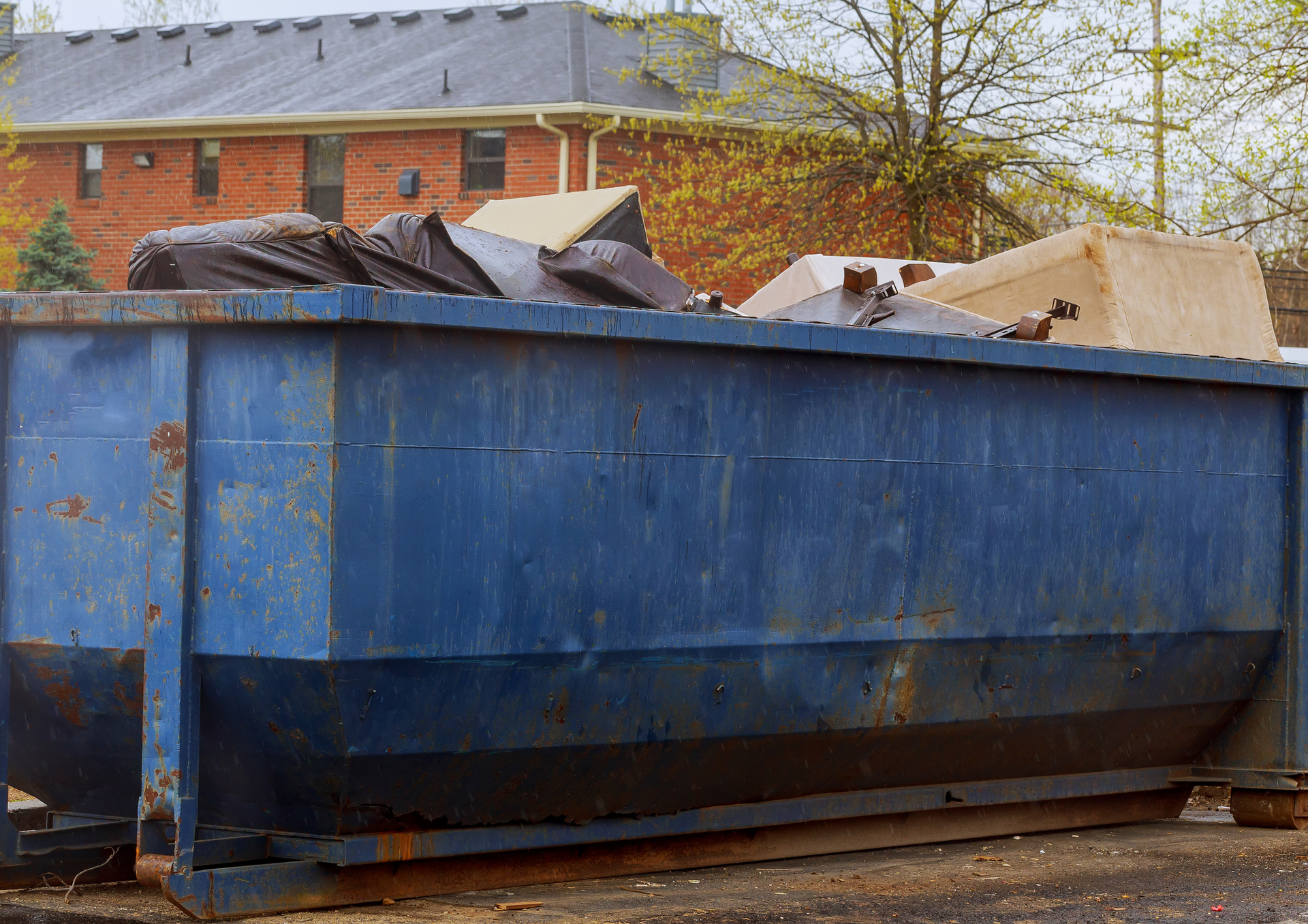
When planning waste removal, some project managers may decide to order a skip during the early stages of construction to ensure suitable disposal facilities are available from the outset.
Choosing Practical Waste Solutions for Extension Projects
Selecting the most appropriate waste management solution depends on several factors, including project scale, property access, expected waste volumes, and construction timelines.
Smaller refurbishment projects may generate moderate amounts of waste over a relatively short period. Larger extensions and redevelopment works can produce significant quantities of materials over many weeks or months. Understanding anticipated waste generation helps determine the most suitable approach.
Property access should also be considered carefully. Driveways, private land, commercial premises, and development sites may offer different placement options depending on available space and operational requirements.
Construction schedules often influence waste collection planning. Projects that generate waste rapidly may benefit from scheduled exchanges or collections to ensure sufficient disposal capacity remains available throughout the build.
Environmental considerations continue to play an increasingly important role within the construction sector. Many organisations seek waste management solutions that support responsible handling and maximise opportunities for recycling where practical.
Digital booking systems have simplified waste management arrangements for many property owners and contractors. Some customers prefer to skip online to streamline project planning and organise waste removal alongside other construction logistics.
Whether managing a home improvement project, commercial refurbishment, office renovation, property development, or structural extension, efficient waste disposal remains an important factor in achieving a well-organised and productive working environment.
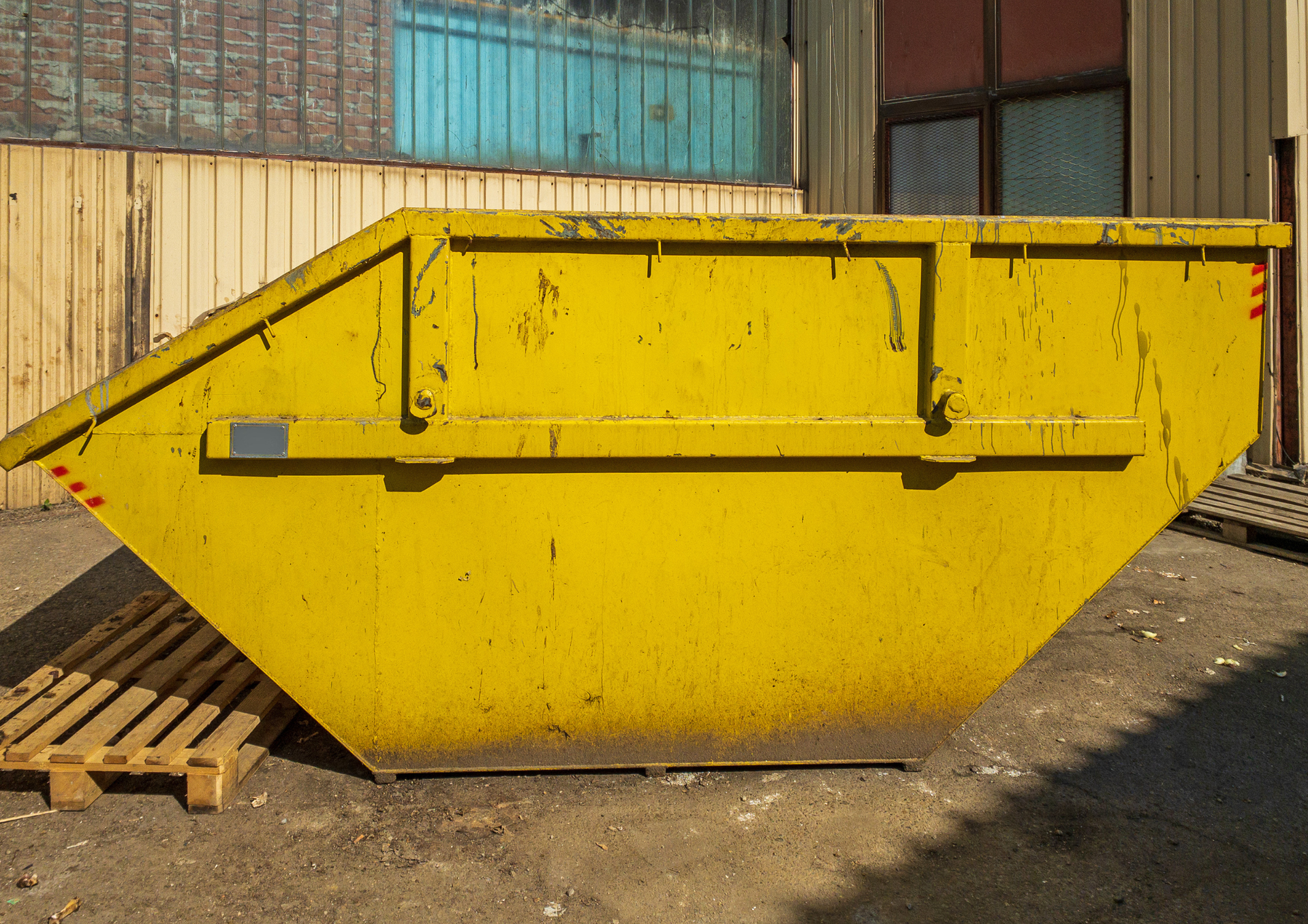
The continued popularity of skip's for construction projects reflects their practicality, flexibility, and ability to accommodate a wide variety of waste materials generated during building and renovation work.
Many contractors, surveyors, landlords, and homeowners continue to rely on skips because they help maintain site organisation while supporting efficient waste management throughout projects of varying sizes.
Skip Hire Shrewsbury
provides dependable waste management solutions designed to support residential and commercial projects of all sizes. We understand the practical challenges associated with construction, refurbishment, and extension work, and we focus on delivering straightforward waste disposal services that help projects remain organised and efficient.
Our team works with homeowners, landlords, surveyors, contractors, property managers, and local authorities to provide reliable support throughout every stage of a project. We prioritise professional service, clear communication, and practical waste management solutions that help customers maintain safe and productive working environments while managing construction waste responsibly.
New Update on X:
Skips for organised home renovation and extension clearances.
You might also like